Key Takeaways
- ✓All major Canadian cities now mandate Class A long-term + Class B short-term bike parking ratios for new builds.
- ✓Vancouver leads with 1.25 Class A spaces per residential unit; Toronto requires 0.9; Montréal varies by arrondissement.
- ✓Class A means secure, weather-protected, occupant-only access; Class B means visible, near-entrance, U-rack visitor parking.
- ✓Non-compliance can halt occupancy permits — verify your project's ratio before pouring concrete.
Key Takeaways
- •All major Canadian cities now mandate Class A long-term + Class B short-term bike parking ratios for new builds.
- •Vancouver leads with 1.25 Class A spaces per residential unit; Toronto requires 0.9; Montréal varies by arrondissement.
- •Class A means secure, weather-protected, occupant-only access; Class B means visible, near-entrance, U-rack visitor parking.
- •Non-compliance can halt occupancy permits — verify your project's ratio before pouring concrete.
As Canadian cities invest heavily in cycling infrastructure, municipal bylaws requiring bicycle parking in new developments have become increasingly common and stringent. Property owners, developers, architects, and facility managers need to understand these requirements to avoid costly compliance issues during building permit reviews and occupancy inspections. This guide covers the key bicycle parking bylaws across major Canadian cities and explains what you need to know.
Why Bike Parking Bylaws Exist
Canadian municipalities implement bicycle parking requirements as part of broader strategies to reduce traffic congestion and carbon emissions, support public transit by enabling multi-modal commuting, improve public health through active transportation, reduce demand for costly vehicle parking infrastructure, and meet federal and provincial climate commitments.
These bylaws typically specify minimum quantities of bicycle parking spaces based on building type and size, acceptable rack types and security levels, spacing and accessibility requirements, and whether parking must be short-term (visitor) or long-term (employee/resident).
Toronto
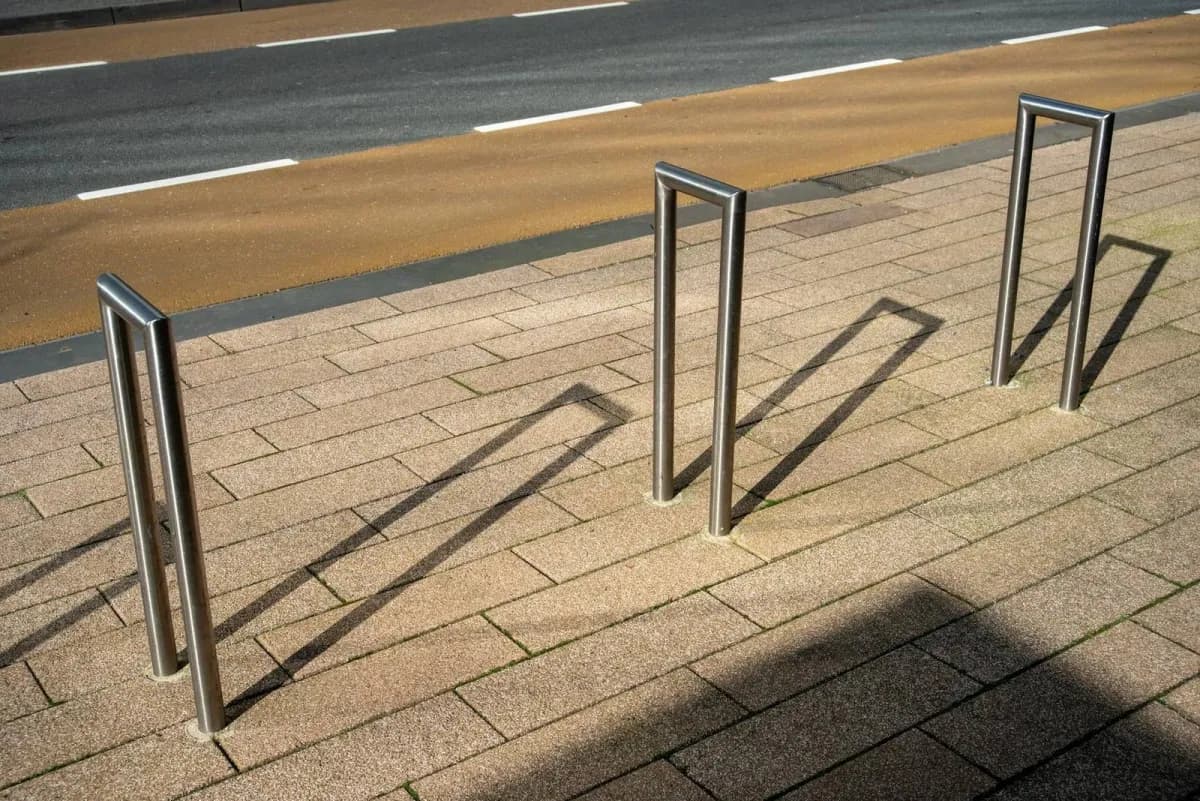
Toronto's bicycle parking requirements under Zoning By-law 569-2013 are among the most detailed in Canada. Residential buildings require 0.9 long-term spaces per dwelling unit, plus visitor spaces. Commercial office buildings require spaces based on gross floor area. Retail uses vary by size and type. Long-term spaces must be in a secure, weather-protected room or enclosure with key or fob access. Short-term spaces must be within 15 metres of the main entrance. Acceptable rack types include inverted-U, post-and-ring, and other designs that support the bike frame at two points. The city actively enforces these requirements during site plan review and building permit processes.
Vancouver
Vancouver has some of the most progressive bicycle parking requirements in North America under the Parking By-law. Residential buildings require 1.25 Class A (secure, weather-protected) spaces per dwelling unit. All buildings must provide Class B (short-term, visitor) spaces near entrances. End-of-trip facilities including showers and change rooms are required for commercial buildings above certain thresholds. The city's Green Building Policy adds additional cycling infrastructure requirements for LEED and passive house projects.
Montreal
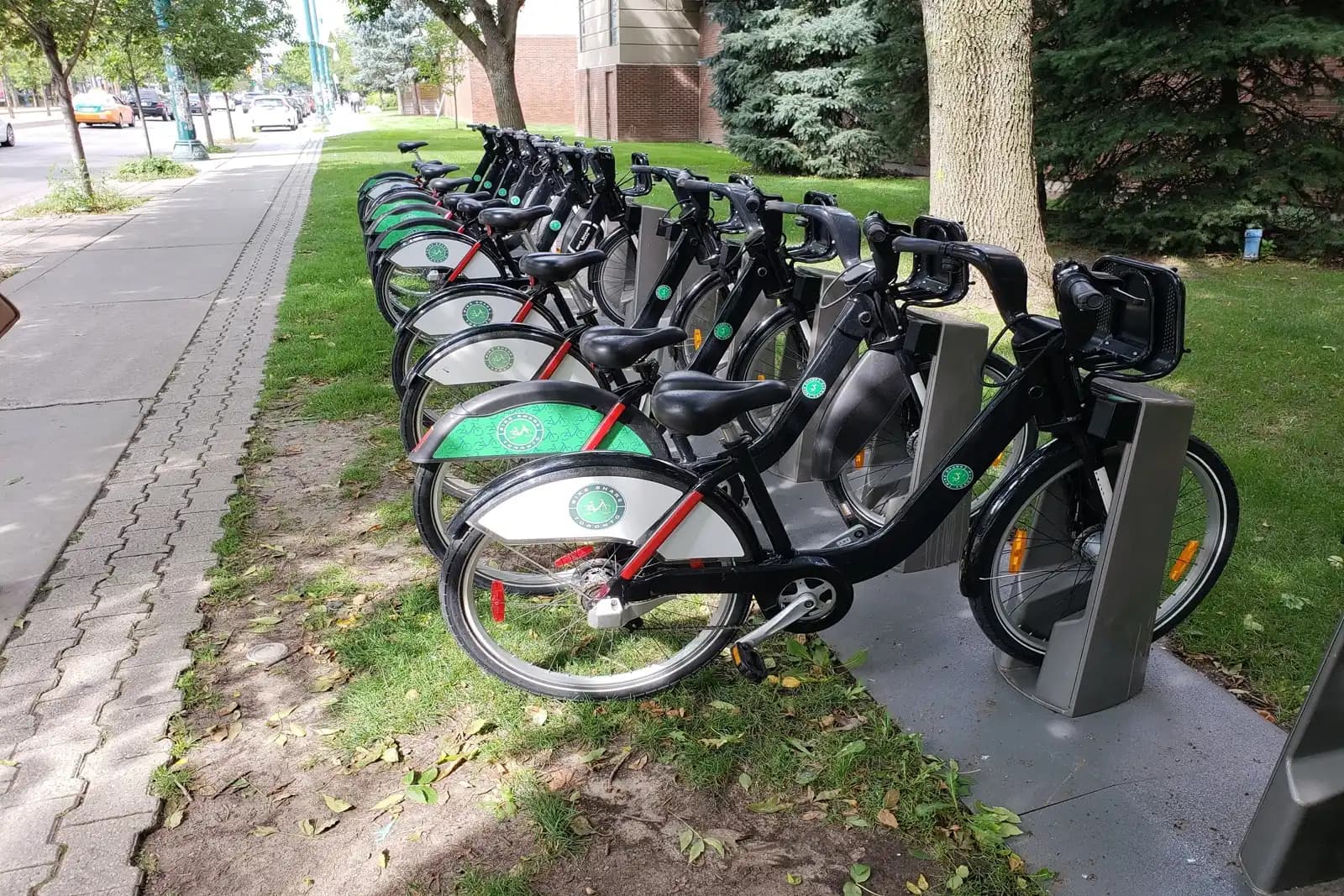
Montreal's bicycle parking requirements are embedded in the city's urban planning bylaws, which vary by borough. Generally, residential buildings require 0.5 to 1.0 spaces per dwelling unit depending on the borough and building type. Commercial developments in the Ville-Marie borough (downtown) have specific requirements tied to the Plan d'urbanisme. The city's growing BIXI bike share system has created additional expectations for bike parking at commercial destinations.
Ottawa
Ottawa's Zoning By-law 2008-250 requires bicycle parking for most new development. Requirements vary by land use category with specific minimums for residential, commercial, institutional, and mixed-use buildings. The city requires both short-term and long-term spaces, with long-term spaces in secure enclosures. Ottawa's Transportation Master Plan targets increasing cycling mode share, driving continued strengthening of bicycle parking requirements.
Calgary
Calgary's Land Use Bylaw 1P2007 includes bicycle parking requirements that apply to new developments. Requirements are based on building use and gross floor area. The city's Cycling Strategy has led to increased enforcement and higher minimums in recent bylaw updates. Calgary's extreme temperature range requires all outdoor bike racks to be galvanized for long-term durability.
How BikeRacks.ca Helps You Comply
Understanding and meeting bicycle parking bylaws can be complex, especially for projects in multiple municipalities. BikeRacks.ca helps property owners and developers by providing bylaw-compliant product specifications for your building permit submissions, layout drawings showing rack placement that meets spacing and accessibility standards, engineering calculations for shelter snow loads and wind resistance, coordination with your architect and general contractor during construction, and post-installation documentation for occupancy permit applications.
Contact our team for a free compliance consultation on your next development project.
Other Cities with Bicycle Parking Requirements
Beyond the major cities listed above, many other Canadian municipalities have adopted or are developing bicycle parking bylaws. Edmonton, Winnipeg, Halifax, Hamilton, Kitchener-Waterloo, Victoria, and Kelowna all have bicycle parking requirements in their zoning bylaws. Smaller cities and towns are increasingly following suit as provincial governments encourage active transportation infrastructure through funding programs and planning policy directives. The trend is clear — bicycle parking requirements are becoming standard across Canada, and properties built today without adequate bike parking will need costly retrofits in the future.
Long-Term vs Short-Term Parking Requirements
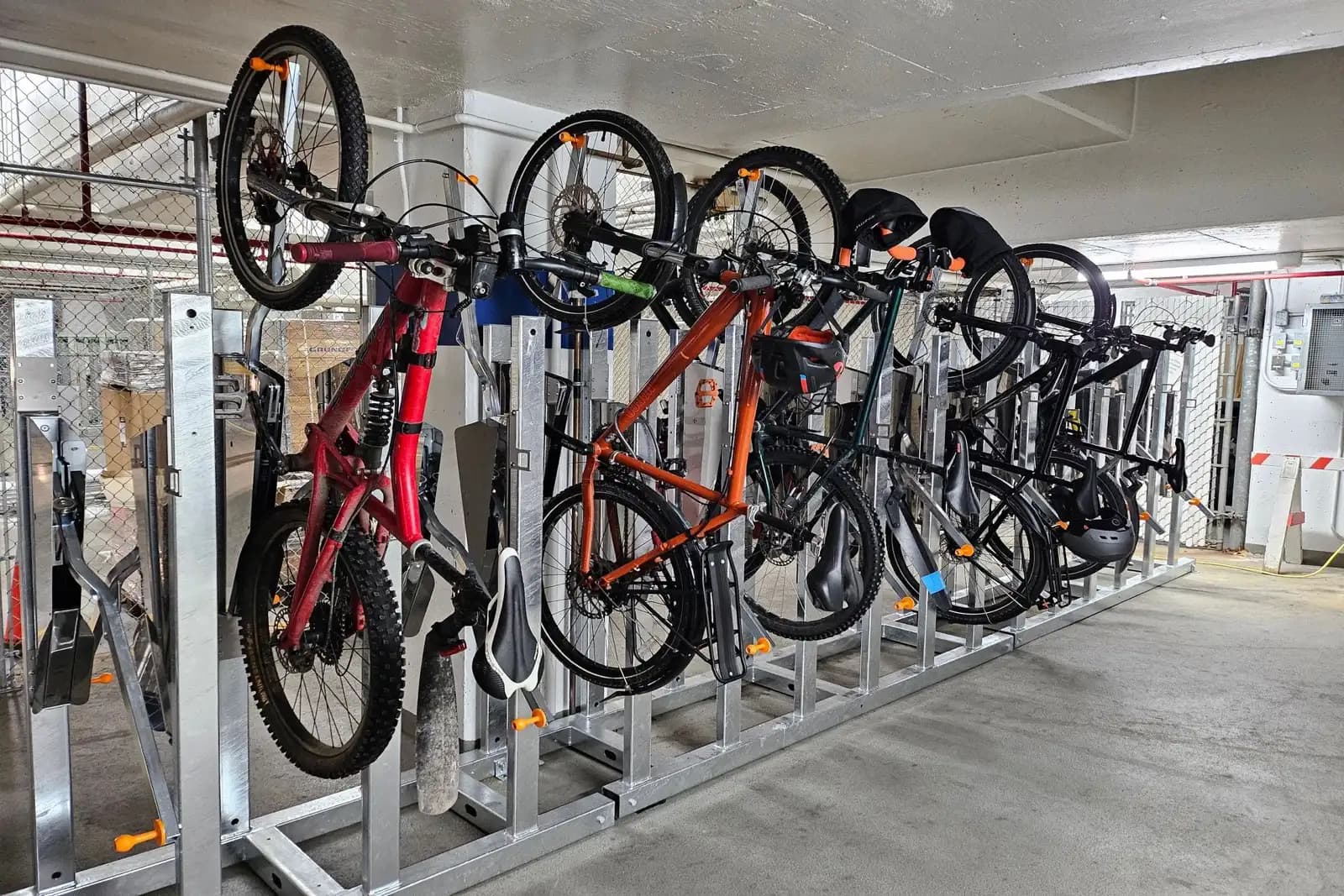
Most Canadian bylaws distinguish between long-term and short-term bicycle parking. Long-term spaces serve employees, residents, and regular users who leave their bikes for hours at a time. These spaces must be in secure, weather-protected enclosures with controlled access — typically bike rooms, bike cages, or covered shelters with card or key entry. Short-term spaces serve visitors, customers, and delivery cyclists who park for minutes to a few hours. These spaces are typically outdoor inverted-U or post-and-ring racks positioned within 15 metres of the building entrance. Understanding this distinction is critical because the rack types, locations, and quantities required for each category are different, and failing to provide the right mix will result in permit denial.
Frequently Asked Questions
What is the difference between Class A and Class B bike parking?
Class A is long-term parking for residents, employees, or students who park 6+ hours — must be weather-protected, secure, and accessible only to building occupants. Class B is short-term visitor parking near building entrances — must be visible, open to public during business hours, and use inverted-U or similar two-locking-point racks.
Which Canadian city has the strictest bike parking bylaw?
Vancouver. The City of Vancouver Zoning and Development Bylaw mandates 1.25 Class A spaces per residential unit plus Class B visitor parking, the highest ratio of any major Canadian city. Toronto, Calgary, Ottawa, and Edmonton have lower base ratios that vary by zone and building use.
Are bike parking ratios enforced at the permit stage or occupancy stage?
Both. Bicycle parking specifications must appear on permit drawings reviewed at site plan approval, and installed equipment is inspected before final occupancy is issued. Missing or non-compliant racks can delay occupancy permits by weeks or months.
Related Resources
- •Browse our full catalogue of commercial bike racks and bike shelters engineered for Canadian conditions.
- •Explore bike parking solutions by sector: residential, commercial offices, municipal, and education.
- •Local installation in major Canadian cities: Toronto, Vancouver, Montreal, Calgary, Ottawa.
- •See frequently asked questions or contact our team for a free quote in 24 hours.
Frequently Asked Questions
Where can I buy commercial bike racks in Canada?
BikeRacks.ca delivers bike racks across all 10 Canadian provinces and 3 territories. Order online or contact us for a free quote with fast shipping from our Ontario and BC warehouses.
What is the best material for outdoor bike racks in Canada?
Hot-dip galvanized steel is the best choice for outdoor installations in Canada. The zinc coating resists road salt, de-icing chemicals, and freeze-thaw cycles for 20+ years with zero maintenance.
How much do commercial bike racks cost?
Commercial bike rack prices range from $75-$2,500 depending on type, material, and quantity. Basic inverted-U racks start at about $200 installed. Volume discounts available for 10+ units.